
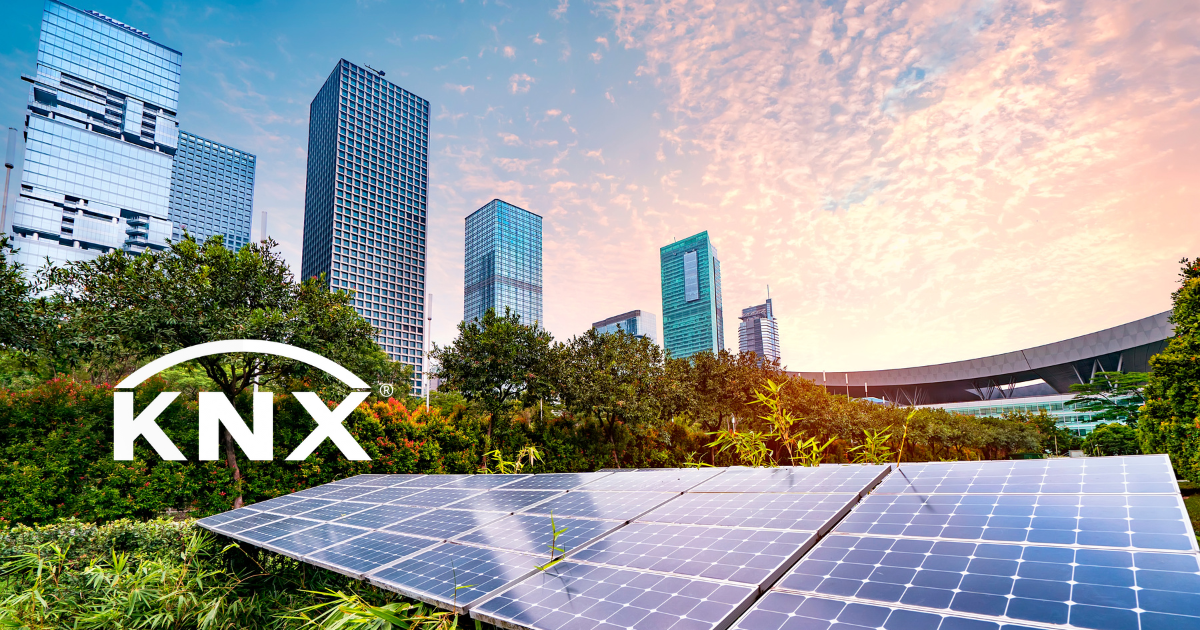
Every day, the world witnesses the clear effects of climate change, highlighting the growing importance of the green movement. In a context where many human activities negatively impact the planet, sustainability has become an urgent need. Discover how environmentalism is leading the fight for a cleaner, more responsible future.
As cities become more populated due to the migration of the population from rural regions, the need and importance of buildings has also grown. Buildings dominate urban areas as most of the living, working, and services are performed within these infrastructures. From residential apartments to office spaces, hospitals, schools, and government institutions, it's all now in buildings. It is therefore only natural that concerns have been raised about the sustainability of these structures and more environmentally friendly solutions are being implemented.
Green buildings are those that in their design, construction and operation, reduce or eliminate negative impacts on the environment. In addition, they may also be able to generate positive impacts on our climate and natural environment. However, these environmentally focused features do not prevent buildings from serving their purpose and functioning properly.
The approach to green buildings doesn't have to be the same for builders and developers around the world. There are numerous factors that influence the design and construction of these buildings. From the climatic conditions to the culture and the economic and environmental needs of the place where the building will be constructed, they all influence the characteristics of the planned and constructed green building.
However, some of the common characteristics shared by infrastructures that can be classified as 'green' are explained below:
- Energy efficiency: The efficient use of energy is a vital aspect to minimize the environmental impact of buildings. Systems such as Building Energy Management Systems (BEMS) help to reduce and optimize the energy consumption of buildings for their operation.
- Renewable energy source: Using renewable energy, such as solar, can reduce reliance on fossil fuels and also help reduce energy bills, as most energy needs are met with in-house energy production. BEMS can help manage power from different sources to not only provide uninterrupted power, but also minimize energy consumption from external sources. This ensures that energy bills are the lowest and non-renewable energy consumption is also minimized.
- Minimization of the use of water and other resources: From construction to operation, green buildings seek to reduce the amount of water and other vital resources, such as fuel, consumed. Using water meters, efficient taps, or even rainwater harvesting are some of the methods by which water can be saved.
- Pollution and waste reduction measures: As green buildings seek to reduce the impact on the environment, the pollution and waste from these infrastructures should be as low as possible. Promoting reuse and recycling habits, the use of low-waste products and processes, and proper waste treatment are some of the ways buildings can achieve this.
- Good indoor environmental quality: For the inhabitants or occupants inside the building, it is important to ensure a pleasant and healthy atmosphere. Adequate thermal control, clean air and low noise level are some considerations to take into account in this regard.
- Use of non-toxic and sustainable materials: During construction and daily use, green buildings should seek to use more sustainable materials and resources or even recycled materials. For example, for insulation, cellulose can be an excellent more ecological alternative, since most of it is recycled newspapers. While for regular maintenance, such as cleaning floors and other areas, there are more eco-friendly solutions.
- Ideal location: Location is important because buildings should not affect the natural habitat in their surroundings by constructing them in environmentally sensitive locations. In addition, a location that can be accessible with public transport would mean less use of private vehicles and therefore the burning of fossil fuels would be minimised.
- Innovation in design: Green buildings must be based on a design that allows for the sustainable strategies planned for the building. It allows the building to adapt to changing environments. Intelligent design can maximize the resources available to the green building to achieve maximum efficiency in construction and operation. For example, passive design is a popular concept that seeks to maximize the local climate to create and maintain the ideal indoor environment for the building's inhabitants. This helps reduce reliance on energy and devices to control the indoor environment.
KNX Association has been partnering with builders, manufacturers and other institutions to develop the latest technologies such as BEMS, HEMS and standards for the best energy management solutions for buildings and other infrastructure.